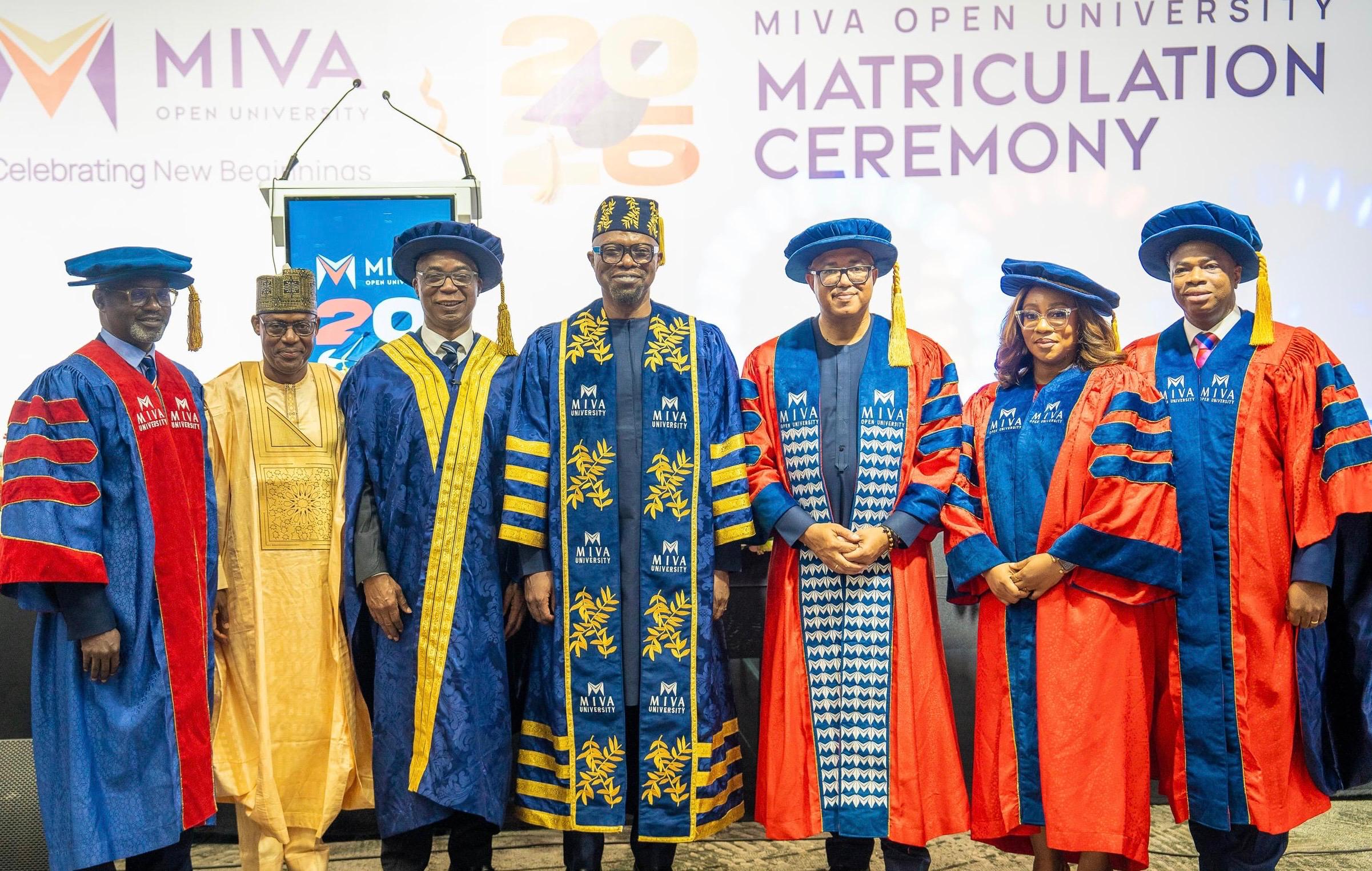
The Assistant Director-General of the World Health Organisation, WHO, and Executive Director of its Health Emergencies Programme, Dr Chikwe Ihekweazu, has urged students of Miva Open University to remain hopeful about Nigeria’s future and use their education to contribute to national development.
Ihekweazu made the call while delivering the keynote address at the university’s matriculation ceremony held at the Transcorp Event Centre, Abuja, on Saturday.
He encouraged the students to approach their academic journey with courage, dedication and a strong sense of responsibility, stressing that education should go beyond personal achievements to improving society.
According to him, education offers more than a pathway to a desired career, as it equips individuals with the knowledge, confidence and judgment needed to make meaningful contributions to their communities.
Education is not simply what you receive at the university; it is what you continue to build, apply, and share throughout life,” he said.
The WHO official also urged the students to use artificial intelligence responsibly, warning against relying on the technology to avoid learning or deceive academic assessors.
He said students who use AI to cheat might obtain good grades or even degrees but would lose the deeper value of education.
“If you use AI to deceive your assessors to pass rather than to learn, you may actually get the grade. You may even get the degree, but you will have denied yourself something far more valuable: the education that you actually came to seek,” he said.
Ihekweazu expressed concern over the number of out-of-school children and the poor conditions of some schools and universities in Nigeria, arguing that the situation reflects decisions about the country’s priorities and allocation of resources.
He urged the students not to allow the nation’s challenges to discourage them, saying Nigeria’s future would depend on educated, engaged and courageous citizens willing to demand accountability and create better opportunities.
“Please do not lose hope in our country, Nigeria,” he said, adding that the future Nigerians desire would not be achieved through resources alone but through citizens committed to building a better society.
The WHO official further advised the students against viewing education solely as a means of securing personal comfort, encouraging them to question injustice, understand institutions and help expand opportunities for others.
“Your degree may open doors for you, but your education should help you open doors for others,” he said.
He also urged the students to prepare for life after graduation by developing practical skills, seeking internships, attending professional events and building relationships that could expose them to career opportunities.
According to him, employers are increasingly interested in candidates who can demonstrate their ability to solve problems and explain how their skills can contribute to an organisation, rather than relying on academic qualifications alone.
Earlier, the Pro-Chancellor of Miva Open University, Tunji Olowolafe, said the traditional approach to education had caused many Nigerians to lose valuable opportunities because they had to abandon their jobs, families and other responsibilities to pursue their studies.
“The nation lost a lot of talent because of the analogue way of studying, which made students abandon their lives, family and work in order to study,” Olowolafe said.
He noted that Miva Open University was changing that experience by allowing students to combine education with their personal and professional responsibilities.
“Today, Miva has changed the story, as you can now learn while you live your life, stay with family and also work,” he said.
The Chancellor of the institution, Sim Shagaya, disclosed that the university had enrolled more than 40,000 students, reflecting its growing reach in providing access to higher education.
Ihekweazu concluded by urging parents to continue supporting their children while allowing them the freedom to discover their abilities, and called on university lecturers to promote excellence, integrity and critical thinking among students.
He expressed hope that the matriculating students would graduate with not only academic qualifications but also the knowledge, character and confidence needed to make a positive difference in Nigeria and beyond.