The United Nations Development Programme-Global Environment Facility Small Grants Programme, UNDP-GEF SGP, has warned against the health hazards of improper plastic wastes management.
The UN body also highlighted the high economic value of dumpsites and plastic waste if well managed and recircled appropriately.
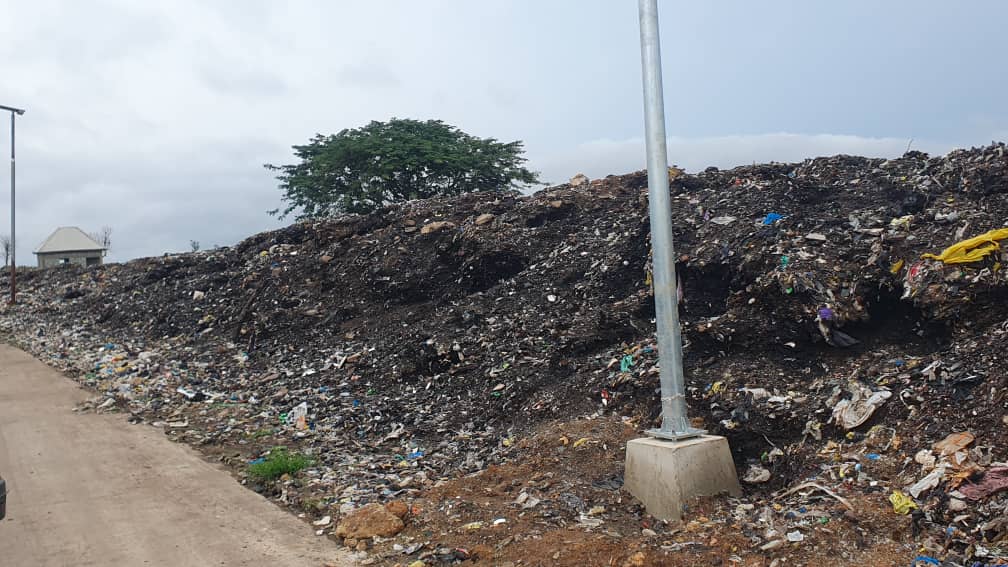
The Coordinator of the UNDP-GEF Small Grants Programme, Mr. Ibironke Olubamise, disclosed this on Wednesday during a visit to one of the largest dumpsite in Idu, Abuja led by a former Permanent Secretary at the Federal Ministry of Environment and Chief Executive Officer of Digital Peers International, Dr (Mrs) Ibukun Odusote.
Olubamise described plastic pollution as a global challenge requiring collective action, noting that efforts initiated under the project over the past three to four years are already producing positive outcomes.
She however noted that the quantity of plastic waste arriving at the dumpsites have declined significantly compared to previous years because people now see the economic value of wastes .
“Plastic is everybody’s problem. It is not just an environmental issue; it affects all of us. That is why we continue to support projects that can create a positive environmental impact,” she added.
“We are particularly interested in upstream innovations that can provide alternatives to plastics such as materials derived from leaves, plants and other biodegradable sources which can help reduce the amount of plastic entering the environment.
“Young innovators are already converting waste into valuable products such as paving stones, furniture, jewellery and other reusable materials.
“There are enormous opportunities in the waste-to-wealth value chain. We have seen young people producing chairs, tables and other products from recycled plastics. If properly developed, these innovations can create jobs and generate income.”
On her part Odusote harped on practical waste management, which according her brings opportunities including into the area of renewable energy.
“Beyond plastics, there is a significant volume of organic waste that can be converted into valuable products, including energy and agricultural inputs,” she said.
Odusote noted that data management remains a major challenge within Nigeria’s waste management sector and urged young innovators to develop solutions that could support government agencies and environmental institutions.